
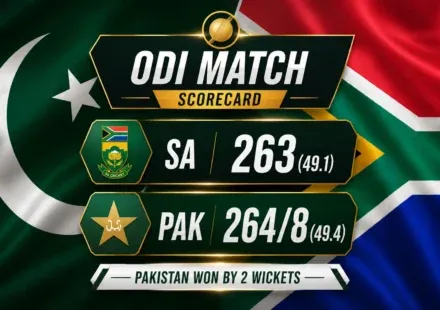
A batting scorecard reveals how each player contributes to a cricket innings. On cricketscore.it.com, readers can explore cricket statistics and understand what individual batting figures actually mean. Runs are important, of course, but they do not explain the complete performance. Balls faced, boundaries, strike rate, and dismissal details also provide useful information. Two batters might score identical runs while playing completely different innings. One may attack from the beginning, while another builds a steady partnership. Learning to read these figures together helps cricket fans understand the decisions and performances behind the final score.
Start With Individual Runs
The runs column shows how many runs a batter scored during an innings. It is usually the first figure people notice when checking a batting scorecard. A batter scoring seventy-five runs has contributed substantially to the team’s total, although the match situation matters too. Some players score quickly, while others take time to settle before increasing their scoring pace. A scorecard records the final number but cannot always explain the pressure faced during the innings. The number of wickets already lost, the bowling attack, and the condition of the pitch can influence a batter’s approach. Reading the score alongside these details provides a clearer understanding of the performance.
Understand Balls Faced
Balls faced show how many deliveries a batter has received during an innings. This figure helps explain the pace at which the player scored their runs. For example, scoring forty runs from twenty balls indicates a different approach from scoring forty runs from fifty balls. The first batter scored more quickly, while the second spent longer at the crease. However, fewer balls do not automatically mean a better innings. A batter might face difficult bowling during the opening overs or enter the match when the team needs to rebuild. Consider the match format and team situation before judging the performance. Balls faced become more meaningful when compared with runs and the required scoring pace.
Learn About Strike Rate
Strike rate measures how quickly a batter scores runs relative to the number of balls faced. In limited-overs cricket, it is commonly calculated by dividing runs scored by balls faced and multiplying the result by one hundred. A batter scoring fifty runs from twenty-five balls has a strike rate of 200. This means the player scored at a pace equivalent to two runs per ball. It does not mean the batter actually scored two runs from every delivery. Strike rate is particularly useful in T20 cricket, where teams have fewer overs available. In Test cricket, the importance of strike rate depends more heavily on the match situation and the team’s objectives.
Check Boundaries And Sixes
Boundaries and sixes help explain how a batter accumulated their runs. A four generally awards four runs when the ball reaches the boundary after touching the ground. A six awards six runs when the ball crosses the boundary without touching the ground. These scoring shots can increase the total quickly and influence the team’s run rate. A scorecard commonly records the number of fours and sixes beside each batter’s name. These figures provide a simple way to understand the player’s attacking contribution. Still, boundaries alone do not describe the entire innings. Running between the wickets, rotating the strike, and avoiding unnecessary dismissals can also make important contributions.
Understand How Batters Get Out
The dismissal column explains how a batter’s innings ended. Common examples include bowled, caught, leg before wicket, run out, and stumped. Each dismissal provides different information about the delivery or situation. A batter who is caught near the boundary may have attempted an attacking shot, while a run out can happen during a running mistake or fielding effort. The scorecard records the official dismissal, although it may not explain every detail of the incident. Readers can use this information to understand which bowlers took wickets and how the innings developed. It is also useful to distinguish between dismissals credited to bowlers and those that are not. Run outs, for example, are not credited as wickets to a bowler.
Notice Not Out Scores
A batter marked not out was still at the crease when the innings ended. This detail matters when interpreting individual performance and calculating batting averages. A player who finishes an innings without being dismissed is treated differently when their average is calculated. For example, scoring fifty runs without being out does not necessarily produce an average of fifty if the player has appeared in several innings. Batting average generally depends on total runs scored and the number of times the batter was dismissed. Not out innings affect that calculation because they do not count as dismissals. Checking this detail helps explain why two players with similar run totals may have different batting averages.
Compare Performances Fairly
Batting figures become more useful when they are considered together rather than separately. Runs show the total contribution, balls faced indicate scoring pace, and boundaries reveal how some of those runs were made. Strike rate adds another way to compare attacking performances, particularly in limited-overs matches. However, the highest strike rate does not automatically identify the most valuable innings. A player who scores steadily while protecting wickets may help the team in a difficult situation. Another player may need to attack because the required run rate is increasing. Comparing performances fairly means considering the team’s position, the format, and the contribution expected from each batter. Statistics provide evidence, but context explains their importance.
Conclusion
Reading batting scorecards becomes easier when each figure is understood in relation to the others. Runs, balls faced, boundaries, strike rate, dismissals, and not out scores all describe different parts of an innings. Readers visiting cricketscore.it.com can use these details to follow individual performances with greater confidence. Instead of judging a batter only by their final score, consider how quickly they scored and what the team needed at that moment. These simple comparisons make scorecards more informative and help cricket fans appreciate the different roles players perform during a match.
Read also :-
bangladesh national cricket team vs afghanistan national cricket team timeline