
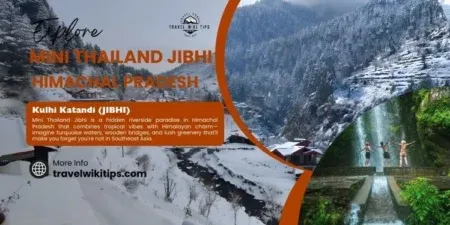
Hill stations offer a refreshing change from crowded streets, busy schedules, and familiar surroundings. Planning a trip with travelwikitips.com can help travelers understand what to pack, where to stay, and how to make better use of their time. Mountain destinations can look peaceful in photographs, but weather, road conditions, accommodation prices, and local transport still need attention. Some travelers prefer quiet mornings surrounded by trees, while others enjoy markets, viewpoints, and short outdoor walks. A little preparation helps make the experience more comfortable without turning the holiday into a strict schedule. The best plan leaves room for sightseeing, rest, unexpected weather, and simple moments that make a mountain visit enjoyable.
Pick The Right Destination
Choosing a hill station depends on the kind of holiday you actually want. Some destinations offer busy shopping streets, restaurants, and popular attractions, while others provide quieter surroundings with fewer commercial activities. Think about your travel dates, budget, available transport, and the number of days you can spend away. Families may prefer places with convenient accommodation and accessible attractions, while couples might enjoy quieter locations with scenic surroundings. Travelers interested in walking should check whether suitable trails are available nearby. Do not select a destination only because its photographs look attractive online. Read recent visitor information and check whether important attractions operate during your planned visit. Consider travel time as well, because spending most of a short holiday inside a vehicle can leave little time for exploring. A suitable destination should match your interests and practical needs.
Choose Travel Dates Carefully
The season can change the experience of visiting a mountain destination considerably. Summer often attracts visitors looking for cooler conditions, which can increase accommodation prices and traffic around popular places. Winter may bring chilly mornings, fog, or snowfall in certain regions, depending on elevation and local weather patterns. During the monsoon, rain can create beautiful green landscapes, but it may also cause slippery paths, road disruptions, or temporary closures. Check the forecast shortly before departure instead of relying entirely on seasonal expectations. Public holidays and school vacations can make popular destinations busier than usual. If your schedule allows flexibility, compare different travel dates before booking rooms or transportation. Keep a backup plan for outdoor activities that may become unsuitable because of rain or poor visibility. Good timing does not guarantee perfect weather, but it helps travelers prepare for likely conditions.
Book Suitable Accommodation Early
Accommodation affects both comfort and the amount of time available for sightseeing. Before making a reservation, decide whether you need a hotel near the town center, a quiet guesthouse, or accommodation closer to nature. Properties near popular markets may provide convenient access to restaurants and transport, although surrounding streets can become noisy during busy periods. Places farther away may offer peaceful views but require additional travel for meals and attractions. Check recent reviews, cancellation conditions, heating availability, parking arrangements, and the distance from major roads. Photographs alone may not explain steep access paths or limited local transport. Ask the property about important facilities before confirming the booking. During peak travel periods, reserve early when possible because convenient rooms may become expensive or unavailable. A well-chosen location can make daily plans easier and reduce unnecessary journeys.
Pack For Changing Weather
Mountain weather can change during the day, so packing only for the forecast temperature may be unwise. Carry comfortable clothing that can be layered when mornings are cold and afternoons become warmer. A light waterproof jacket, suitable walking shoes, extra socks, and a small umbrella can be useful in many destinations. Travelers visiting colder areas during winter may need warmer outerwear, gloves, and other protective clothing. Bring personal medicines, identification documents, charging cables, and any necessary booking confirmations. Sunscreen and sunglasses may also be helpful because sunlight can feel strong at higher elevations. Avoid packing excessive luggage when the accommodation requires walking uphill or using narrow access paths. Keep essential items in a smaller bag that remains easy to reach during travel. Check the specific destination’s conditions before departure, since a coastal hill town and a high mountain settlement may require very different clothing.
Plan Activities Without Rushing
A hill station holiday becomes tiring when every attraction is placed into one crowded itinerary. Choose a few important places for each day and allow enough time for meals, travel, and rest. Viewpoints, gardens, local markets, short walks, museums, and nearby villages can provide different experiences without requiring complicated arrangements. Check opening times and entry requirements before visiting attractions that operate on fixed schedules. Some viewpoints look best during clear weather, while forests and waterfalls may require additional caution after rain. Avoid assuming that nearby attractions are always connected by easy walking routes. Mountain roads can be steep, and distances on a map may take longer to cover than expected. Leave some unscheduled time for enjoying the surroundings or changing plans when conditions are unsuitable. A flexible itinerary usually feels more relaxing than trying to complete every activity mentioned in a travel guide.
Understand Local Transportation
Transportation deserves attention because mountain roads often include sharp turns, steep sections, and changing weather conditions. Depending on the destination, travelers may use buses, taxis, private vehicles, or local transport services. Check the availability and approximate cost before depending on a particular option. Some attractions may be accessible only through a separate taxi journey or a walk from the nearest vehicle stop. If you plan to drive, review the route, fuel availability, parking arrangements, and local road advisories. Avoid driving unfamiliar mountain roads when visibility is poor or you feel tired. During heavy rain, snowfall, or other severe conditions, follow official travel instructions and postpone unnecessary journeys. Ask accommodation staff about practical local transport options when online information seems outdated. Planning these details early can prevent delays and make it easier to move between attractions comfortably.
Respect Nature And Local Communities
Hill stations depend on their natural surroundings, and visitors should avoid damaging the places they come to enjoy. Carry reusable water bottles where practical and take rubbish back to appropriate disposal points. Do not leave food wrappers along walking trails, viewpoints, roadside stops, or forest paths. Follow signs around wildlife areas and avoid feeding animals or approaching them for photographs. Stay on permitted paths when exploring unfamiliar terrain, especially where loose stones or steep drops create hazards. Respect local customs, community spaces, and restrictions around religious or cultural sites. Support local shops and food businesses when suitable, while checking prices and service details before ordering. Avoid loud behavior in residential areas late at night. These habits help preserve the destination for residents and future visitors, while making the holiday more respectful and enjoyable for everyone sharing the landscape.
Conclusion
A relaxing hill station holiday starts with a suitable destination, sensible travel dates, comfortable accommodation, and realistic daily plans. Packing for changing weather and checking transportation details can prevent several common problems before the journey begins. Advice from travelwikitips.com can help travelers explore useful planning considerations and prepare for different mountain destinations. Keep the schedule flexible, respect local guidance, and avoid taking unnecessary risks when weather or road conditions change. You do not need to visit every attraction to enjoy a meaningful trip. Sometimes a quiet walk, a scenic breakfast, or an unhurried afternoon provides the most satisfying part of the holiday. Good preparation leaves more room to enjoy the destination itself.
Read also :-