
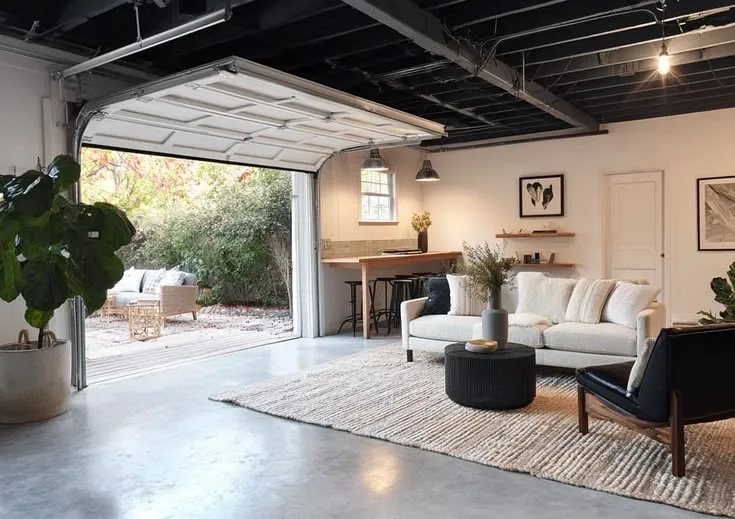
A garage can easily become a place where unwanted furniture, seasonal decorations, and unused equipment accumulate. Yet with thoughtful organization and a few improvements, it can serve a much greater purpose. Homeowners are increasingly interested in custom garage floors because the right finish can make the space more attractive, easier to clean, and suitable for different activities. Whether the goal is creating a workshop, organizing household storage, or improving a parking area, the flooring deserves attention alongside lighting, ventilation, and storage arrangements.
Decide What Your Garage Should Become
Before beginning renovations, consider how the space will actually be used. A family that needs additional storage has different priorities from someone planning a woodworking area or a dedicated space for maintaining vehicles.
It helps to identify activities that will happen regularly rather than designing around occasional needs. For example, a workshop might require durable flooring and accessible electrical outlets, while a storage-focused garage benefits from shelving, clear walkways, and sufficient room around parked vehicles.
Plan the Layout Before Buying Materials
A practical garage layout should account for vehicle access, door clearance, and frequently used equipment. Large cabinets can look attractive but may interfere with movement if their dimensions are not planned carefully.
Start by measuring the available space and identifying permanent obstacles. Wall-mounted shelving and overhead storage can free up valuable floor area. Keeping heavy equipment close to appropriate work zones also reduces unnecessary movement and makes the garage more convenient.
Create a Floor That Supports Daily Use
Bare concrete is common in residential garages, but untreated surfaces can collect stains and release fine dust as they wear. A suitable protective finish can make regular maintenance more manageable and improve the appearance of the entire room.
Professional garage floor epoxy installers can evaluate the existing slab and explain which coating systems may suit the intended activities. Surface condition, moisture levels, preparation methods, and expected traffic are important considerations before selecting a finish.
Use Color to Improve the Space
Garage floors do not have to look industrial or unfinished. Decorative flakes, solid colors, and certain metallic finishes can introduce visual interest without requiring elaborate interior renovations.
Lighter shades can make a small garage appear more open, particularly when combined with improved overhead lighting. Medium-toned decorative finishes may help conceal minor dirt between cleanings. However, the final choice should balance appearance with suitable traction and maintenance requirements.
Consider Lighting and Electrical Needs
Poor lighting can make even an organized garage frustrating to use. Shadows around workbenches and storage cabinets create inconvenience, particularly when handling small tools or performing detailed tasks.
Bright, well-positioned fixtures can improve visibility throughout the space. Homeowners planning workshops should also evaluate electrical outlet locations and circuit capacity. Qualified electricians can determine whether additional wiring or protective equipment is necessary for safe operation.
Choose Storage That Encourages Organization
Storage works best when frequently used belongings remain easy to reach. Instead of filling every available wall with shelves, divide the garage into zones based on how often items are needed.
A practical arrangement might include:
-
Wall hooks for bicycles and gardening equipment.
-
Closed cabinets for tools and household supplies.
-
Clearly labeled containers for seasonal decorations.
-
Designated shelving for automotive accessories.
-
Open floor space for safe movement around vehicles.
These improvements can reduce clutter without requiring expensive remodeling. The goal is to create an arrangement that remains convenient after the initial renovation is complete.
Keep Safety and Maintenance in Mind
Garage environments present challenges that ordinary living areas may not experience. Water tracked in by vehicles, chemical spills, and loose equipment can create hazards if the space is poorly maintained.
Choose flooring with appropriate traction for expected conditions and clean spills promptly. Follow the coating manufacturer’s care instructions, avoid dragging sharp objects across finished surfaces, and check storage systems periodically. Maintaining ventilation is also important when working with chemicals or operating equipment.
Conclusion
Transforming a garage does not require turning it into a completely different room. Often, the most successful improvements involve practical changes that make existing activities easier and more enjoyable. A well-planned layout, better lighting, organized storage, and suitable flooring can create a cleaner and more useful environment. Homeowners should evaluate their concrete surfaces and compare appropriate coating options before making permanent changes. For residents considering residential garage improvements in the Carolinas, carolinaflooringspecialists.com provides information about decorative epoxy and polyaspartic systems. Careful planning can help an underused garage become a valuable part of everyday household life.