
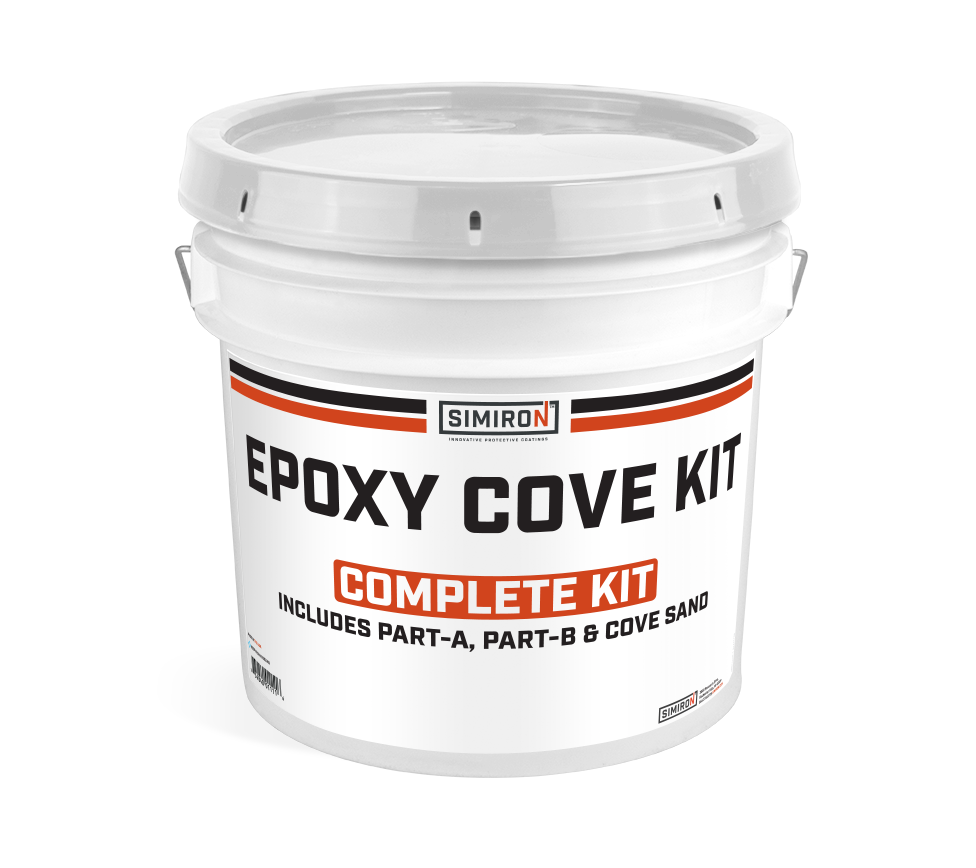
Contractors searching for epoxy suppliers near me are often trying to solve a practical problem rather than simply compare product prices. A slab can reveal extra cracks, old adhesive, or a need for different tooling once grinding begins, and those surprises can change the material list quickly.
Local supply access becomes valuable when a crew needs another repair kit, extra flake, or a compatible topcoat without losing half a day to shipping. Planning for those possibilities before the job starts can help keep the coating sequence on schedule.
Build the First Order Around the Slab
For a concrete coating sacramento project, the first material list should begin with the existing concrete rather than the decorative finish. Surface profile, cracks, previous coatings, contamination, traffic, and exposure all influence what preparation products and coating layers may be required.
A site inspection can reduce guesswork. Contractors should record the square footage, note problem areas, and decide whether repairs, moisture-related products, or specialty tooling may be needed before ordering the main resin system.
Separate Core Materials From Backup Stock
Every project has core materials that should be on site before work begins: preparation tooling, repair products, primer, base coat, decorative media, topcoat, and application tools. Running short on one of these can stop the installation.
Backup stock should be more selective. Extra roller covers, brushes, mixing paddles, gloves, tape, buckets, and common repair products are inexpensive compared with stopping an active crew while someone leaves the jobsite.
Check Compatibility Before Buying a Substitute
A local store can make restocking faster, but speed should not lead to careless substitutions. Two products that appear similar may have different chemistry, recoat windows, or surface requirements.
Before replacing a primer, topcoat, or repair product, contractors should check current technical data and confirm that the substitute fits the existing system. Compatibility matters especially when part of the floor is already coated.
Keep Surface-Preparation Supplies on the Main List
Grinding and repair work can consume more materials than expected, particularly on older concrete. Diamond tooling, vacuum accessories, scrapers, crack fillers, patch products, and edge-grinding supplies deserve the same attention as decorative resin.
The slab can also affect coating coverage. Rough or porous concrete may use more primer or base coat, so preparation observations should feed directly into material calculations.
Plan Decorative Materials With a Margin
Flake, quartz, metallic pigments, and other decorative materials can be difficult to match if the crew runs short halfway through the job. The full quantity should be calculated before installation, with package sizes and a sensible waste allowance included.
For custom blends, color consistency matters too. Ordering enough material from the same batch or combining packages before application can reduce visible differences across a larger floor.
Match Tools to the Products Being Applied
The right resin still needs suitable application tools. Squeegees, rollers, mixers, spike shoes, gauge rakes, brushes, and measuring equipment should match the material rather than being chosen from habit.
A small backup kit can prevent minor problems from becoming delays. Damaged roller covers, contaminated mixers, or missing measuring tools can waste valuable working time once resin has been mixed.
Use Local Pickup as Part of the Schedule
Contractors should know store hours, travel time, stock availability, and whether specialty items need to be ordered ahead. This is useful on multi-day projects where repairs or quantities may change after grinding.
A planned pickup strategy is different from relying on emergency trips. The main system should still be ordered accurately enough that restocking remains the exception rather than the normal workflow.
Track What Changed After the Job
Every unplanned purchase contains useful estimating information. Contractors can record what ran short, whether the slab used more material than expected, and which consumables were forgotten.
Over time, these notes can improve future ordering. A crew that repeatedly needs extra primer on rough slabs or more repair material on older garages can adjust its assumptions instead of repeating the same shortage.
Conclusion
Local supply access can make a concrete coating project more resilient when site conditions change, but it works best alongside careful planning. Slab inspection, compatibility checks, realistic quantities, backup consumables, and organized tools all help reduce downtime.
Contractors who combine accurate initial ordering with a clear restocking plan can keep crews productive without carrying excessive inventory. The result is a more controlled workflow from surface preparation through the final protective coat.