
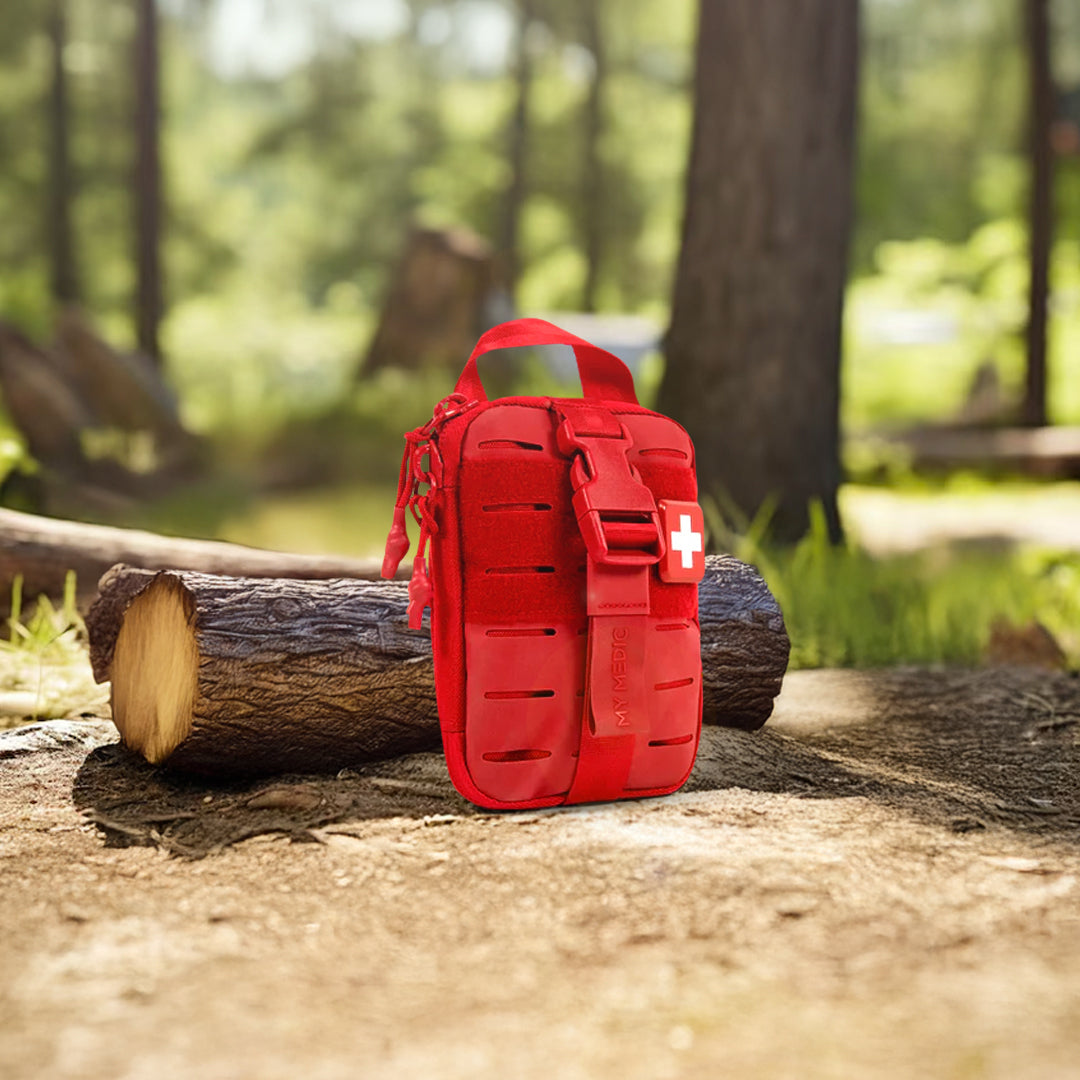
Introduction
A first aid kit is an important part of being prepared for everyday injuries and unexpected situations. However, the ideal kit for your home may not be suitable for a hiking trip or an international holiday.
The contents of a first aid kit should reflect where it will be used, who will use it, how long you will be away, and how quickly professional medical help can be reached. Experts always recommend tailoring kits to activities and individual needs rather than relying on one universal setup.
Home First Aid Kits
A home kit can generally be larger because portability is less important. It should provide supplies for common household injuries and be stored somewhere accessible.
Useful contents may include:
1. Adhesive bandages:
Different sizes can help cover minor cuts and scrapes.
2. Gauze and medical tape:
These can help cover and secure larger wounds.
3. Antiseptic supplies:
Useful for cleaning minor wounds.
4. Disposable gloves:
Gloves can provide a protective barrier when giving first aid.
5. Cold packs:
These can be useful for certain minor injuries involving swelling.
6. Thermometer:
A thermometer can help monitor temperature when someone feels unwell.
7. Personal medications:
Household members may need specific medications or medical supplies.
Include a first aid kit as part of a wider home emergency kit.
Travel First Aid Kits
Travel changes the priorities because space is limited and access to familiar health-care products may vary depending on the destination. A travel kit should therefore be compact, portable, and tailored to the trip. Consider the destination, duration, group size, existing medical needs, and access to medical care when preparing a travel kit.
Travel kits may include:
-
Antiseptic wipes
-
Gauze
-
Medical tape
-
Blister treatment
-
Tweezers
-
Disposable gloves
-
Saline supplies
-
Appropriate personal medication
For international travel, prescription and other medications should be handled carefully and kept in their original packaging.
Outdoor Adventure First Aid Kits
Outdoor activities can involve additional challenges. Hiking, camping, and backpacking may take you further from professional medical assistance, while terrain and weather can create additional risks. Tailor hiking kits according to factors such as terrain, climate, trip duration, group size, and remoteness.
An outdoor kit may therefore include:
1. Blister treatment:
Useful for problems caused by extended walking.
2. Elastic wraps:
These can support basic first aid for certain strains and sprains.
3. Emergency blankets:
They can provide additional protection from cold conditions.
4. Insect-bite treatments:
Useful when travelling through areas with insects.
5. Splinting supplies:
Appropriate equipment may be useful for certain injuries.
6. Waterproof storage:
Helps protect supplies from rain and moisture.
Camping kits may also need supplies related to burns, sun exposure, dehydration, and environmental conditions.
Conclusion
A home kit can prioritize variety and quantity; a travel kit should focus on portability and destination-specific needs, while an outdoor kit should account for terrain, weather, remoteness, and activity.
By choosing supplies according to the situation, you can create a more practical and useful first aid setup wherever your plans take you.