
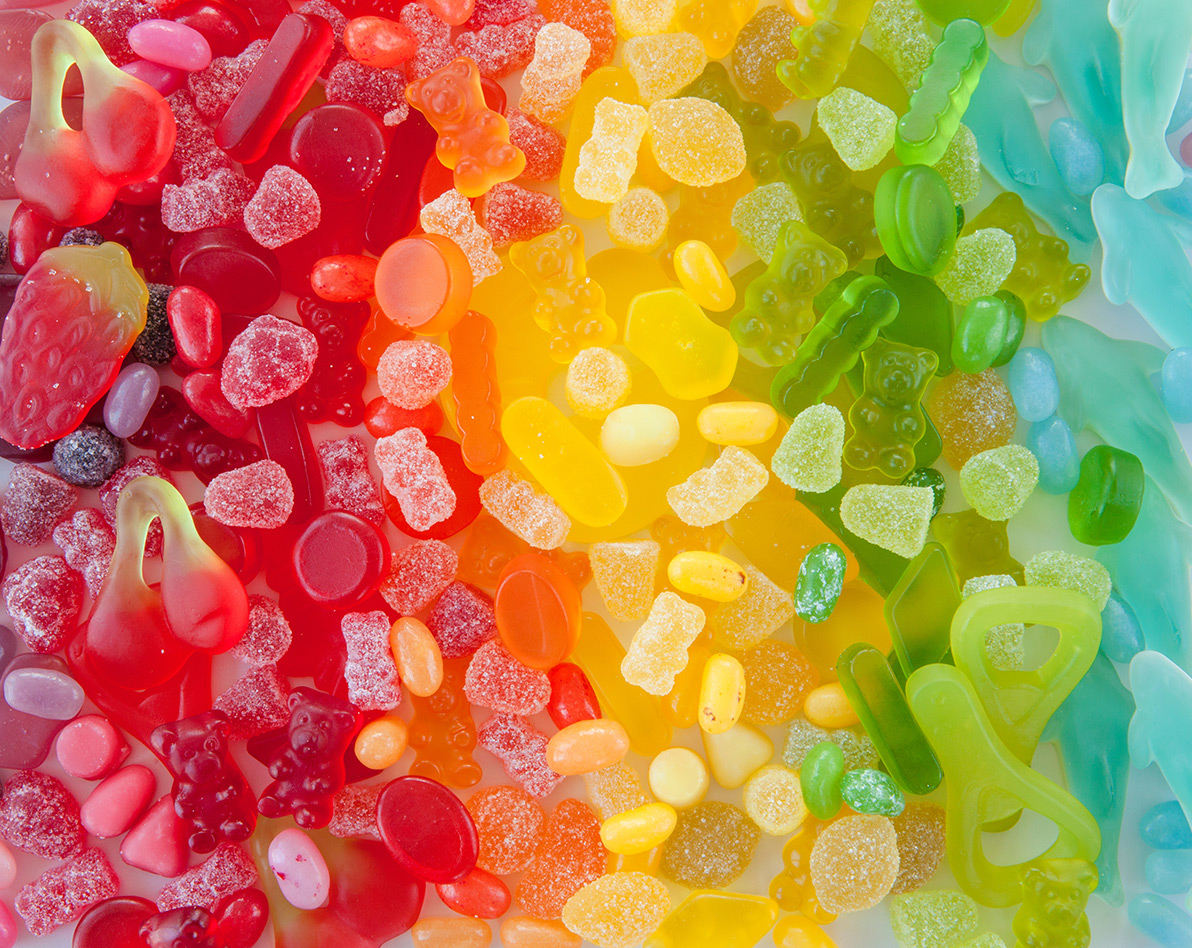
People usually come across Natural Candy Color when they start noticing bright sweets in shops or homemade candies. This ingredient is mainly used to give candies their attractive look before anyone even tastes them. Candy food coloring is often mixed into sugar syrups or gelatin bases during production stages. Natural Candy Color is generally the preferred choice of many small candy manufacturers, as it is easy to blend and provides uniform color in the candy without the need for extensive processing or complicated equipment during the preparation process.
Ingredient Types Explained
Today there are a variety of candy food coloring options, primarily liquid, gel and powder, depending on the requirements for manufacturing and storage. Sometimes, natural candy color is obtained from natural plant materials such as fruits, vegetables or spices that have strong pigments naturally. Candy manufacturers choose candy food coloring for the amount of color intensity or softness they want in the candy. Another factor to consider about Natural Candy Color is the stability of color when mixed with heat during the candy production process.
Mixing Methods Used
Today, the time and speed of mixing are critical factors when using Natural Candy Color in candy mixtures, because the color is typically added when the syrup or sugar base is still warm, to ensure even distribution and smooth blending. Some candy producers take great care to monitor Natural Candy Color levels to prevent too intense or inconsistent colors in finished candy products. Good mixing of candy food coloring results in uniform color to all candy made in either a small or large-scale manufacturing system.
Stability And Storage
The downside of the candy food coloring is its reactions to varying storage conditions such as humidity, heat, and exposure to a long shelf life. In commercial candy production lines, if not properly stabilized during the processing or packaging stages, sometimes Natural Candy Color may fade. Candy food coloring is tested at various temperatures to see how it holds up over time in candy packages. Natural Candy Color is formulation dependent and will vary based upon the balance of ingredients within the formulation at each production stage.
Industry Demand Trends
Today, many people opt for more natural-looking ingredients in candies and confectionery, and that’s why demand for Natural Candy Color is increasing in the global candy markets. Candy food coloring is used to help brands make their products more appealing to the intended age group. Many companies use Natural Candy Color for designing seasonal and festival candies and promotions. The rise in the use of candy food coloring is partly a response to consumer expectations that candy products be visually appealing and have clean labels in the competitive candy market.
Conclusion
Candy coloring plays an important role in how sweets are presented and perceived by customers in everyday markets today. We can clearly see rising interest in Natural Candy Color and candy food coloring across global confectionery industries listed on foodrgb.com for reference and learning. These parts help candy makers build bright, pretty sweets while they keep factory paths plain and quick across all work sizes. Right use locks in a steady look and better item value without shifting the true taste or bite feel. Wise knowledge of Natural Candy Color and candy food coloring backs better choices in modern sweet-making and boxing setups. To gain more tips and plain facts, looking into part tools can help lift final sweet craft results.