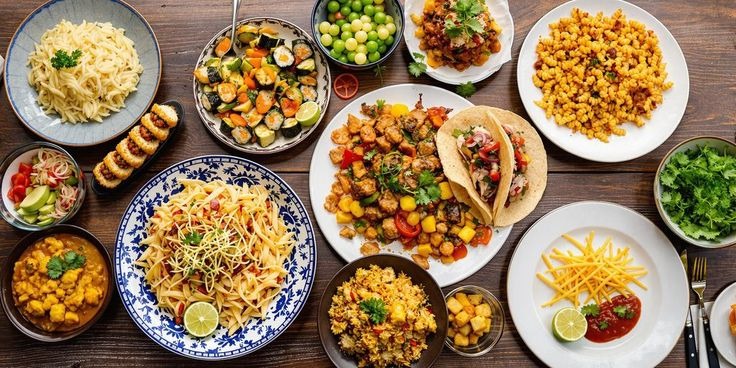
Leftover ingredients can be useful starting points for new meals when they are handled safely and matched with suitable recipes. bestmenuideas.com offers inspiration for people who want to reduce food waste while keeping everyday cooking interesting. Many households throw away small quantities of vegetables, cooked grains, sauces, and other ingredients simply because they do not fit the next planned meal. Sometimes the problem is forgetting what remains in the refrigerator, while other times the ingredient seems too small to matter. A little planning can help turn suitable leftovers into practical food without making the cooking process complicated.
Check Leftovers Before Cooking
Begin by identifying what remains and how it has been stored. Separate raw ingredients from cooked food and pay attention to how long each item has been refrigerated. A few cooked carrots may suit soup, while extra rice could work in a suitable fried rice dish if it was cooled and stored safely. A small amount of tomato sauce might support pasta or vegetables. The intended recipe matters, but storage history matters even more.
Never assume that food is safe simply because it looks normal. Some harmful bacteria do not create obvious changes in smell, color, or texture. Perishable leftovers should be refrigerated promptly, generally within two hours, and stored in clean covered containers. Follow reliable guidance for storage times and reheating. If food has been left out too long or its handling history is uncertain, discarding it is safer than trying to rescue it with additional cooking.
Turn Vegetables Into Soup
Leftover vegetables can become a useful soup when their flavors work well together. Cooked carrots, potatoes, pumpkin, peas, and suitable leafy vegetables may be combined with stock or water and appropriate seasonings. Blend the mixture when a smooth texture is preferred, or leave it chunky for a more rustic result. Add liquid gradually because some vegetables contain more moisture than others. This helps prevent the soup from becoming too thin.
Not every vegetable belongs in every soup. Strongly seasoned leftovers may affect the flavor, while vegetables that have already become very soft may break down quickly. Start with a small quantity and taste the mixture before adding more ingredients. Yogurt, herbs, or a suitable topping can provide extra flavor when added at the right time. Serve the soup with bread or another suitable side if a more substantial meal is needed.
Reuse Cooked Rice Safely
Cooked rice is versatile, but it requires careful storage because unsafe handling can allow bacteria to grow and produce toxins. Cool rice quickly after cooking and refrigerate it in a suitable container rather than leaving it at room temperature for several hours. Use it within a safe timeframe and reheat it thoroughly before serving. Do not rely on smell or appearance to determine whether rice has remained safe.
When the rice has been stored correctly, it can work in fried rice, vegetable bowls, stuffed vegetables, or other suitable recipes. Add ingredients according to their cooking times and make sure any raw components are cooked thoroughly. Use a pan large enough to heat the mixture evenly without excessive crowding. Season gradually because leftover rice may already have absorbed salt or spices from its original preparation. A simple change in vegetables or seasoning can make the meal feel different.
Make New Meals From Beans
Leftover cooked beans and lentils can support several meals without requiring much additional preparation. Lentils may become a thicker soup, while beans can work inside wraps, salads, or a vegetable stew. Mash suitable legumes with seasonings to create a filling for sandwiches or patties. Adjust the texture with other ingredients rather than adding large amounts of flour automatically. The best combination depends on the type of bean and how soft it became during cooking.
Check that the leftovers were stored properly before using them. Refrigerate cooked legumes promptly and use them according to appropriate food safety guidance. If they contain dairy, meat, or other perishable ingredients, storage requirements may differ from those for plain cooked beans. Reheat hot dishes thoroughly and avoid repeatedly warming the same container. Planning one extra portion intentionally can help, but preparing large amounts without a reuse plan may simply create more waste.
Give Bread Another Purpose
Bread can become dry before a household has finished the package, but dryness does not always mean the bread must be discarded. Bread that remains safe and free from mold may be used for toast, breadcrumbs, croutons, or certain baked dishes. Cut suitable slices into cubes, season them lightly, and toast them carefully for a crunchy addition to soup or salad. Watch the oven closely because small bread pieces can burn quickly.
Bread can also provide the base for a simple savory bake with vegetables, eggs, or other suitable ingredients. Choose a recipe that matches the bread’s texture and freshness rather than trying to use it in every possible dish. Bread with visible mold should be discarded instead of trimmed for reuse, because mold can extend beyond the area that is easy to see. Store future bread according to its type and expected use, freezing suitable portions when appropriate.
Use Extra Herbs And Sauces
Fresh herbs may lose quality quickly when bought in quantities larger than a recipe requires. Suitable herbs can sometimes be chopped and mixed into yogurt, sauces, dressings, or cooked dishes before they deteriorate. Another option is freezing herbs for later use in recipes where a softer texture is acceptable. Wash and dry them appropriately before storage, and avoid leaving damp herbs sealed in a way that encourages spoilage.
Leftover sauces can also be useful when their ingredients and storage history are clear. A tomato sauce may work with pasta, beans, vegetables, or a suitable grain dish. A yogurt-based sauce can accompany wraps or roasted vegetables when it has remained refrigerated. Do not mix old sauce into a new batch without checking its condition and storage history. Keep sauces in clean covered containers and use them within appropriate safety limits.
Create Quick Wrap Fillings
Wraps are practical when small portions of different ingredients need to become one convenient meal. Cooked vegetables, beans, suitable cheese, eggs, and other safe leftovers can provide different combinations. Choose fillings that work together and avoid adding too much liquid, which can make the wrap soggy. Warm the wrap briefly when appropriate, then add delicate ingredients closer to serving time. The finished meal should be easy to hold and comfortable to eat.
Use fillings that have been stored safely and reheat ingredients that require reheating. Cold ingredients should remain appropriately chilled until assembly when necessary. If several people are eating, offer separate fillings so everyone can build a combination that suits their preferences. This can be especially useful when the refrigerator contains small quantities of different ingredients. A wrap does not need an expensive filling to become a satisfying lunch or light dinner.
Plan A Leftover Dinner
A planned leftover dinner can prevent suitable ingredients from being forgotten at the back of the refrigerator. Choose a day when schedules allow flexibility and build the meal around what needs using soon. A grain, a protein source, and a vegetable may provide a useful starting point, but the final combination should suit the ingredients actually available. If there is not enough food for everyone, add a simple fresh side rather than stretching the leftovers beyond a sensible portion.
Keep the process organized by separating ingredients according to storage needs. Do not leave several containers sitting on the counter for an extended period while deciding what to prepare. Take out only what is needed and return other perishable items to refrigeration promptly. Cook ingredients thoroughly where required, and avoid combining safe food with leftovers that have questionable histories. The goal is to reduce waste while serving a meal that remains safe and enjoyable.
Prevent Tomorrow’s Waste Today
Reducing leftover waste starts before food is cooked. Estimate portions according to appetite, household size, and the likelihood of future meals. Prepare extra servings when there is a clear plan to refrigerate or freeze them safely. Label containers with useful information when several dishes are stored at once. A visible section for foods that should be used soon can make meal decisions easier.
Shopping habits matter too. Buy fresh ingredients in quantities that fit the household’s usual routine and choose flexible products that can work across different recipes. Check what is already available before purchasing another package of the same item. When leftovers repeatedly remain uneaten, prepare smaller amounts next time or choose another recipe. These small adjustments can reduce waste without requiring strict tracking or complicated household rules.
Conclusion
Leftover ingredients can become useful meals when they are stored safely, matched with suitable recipes, and used before quality declines. Soup, wraps, rice dishes, bean fillings, and simple bread-based recipes provide several practical options for common household leftovers. Always check storage history, refrigerate perishable food promptly, and never try to disguise food that may be unsafe. A little planning helps reduce unnecessary waste while making cooking more flexible. Visit bestmenuideas.com for more food inspiration, discover ways to use everyday ingredients, and make your next meal plan work harder for your household.
Read also :-