
Grease. Water everywhere. Somebody’s always dropping a pot or wheeling a cart through at the worst possible moment, because kitchens don’t really have a slow setting. Ask any line cook and they’ll tell you the floor takes just as much of a beating as the equipment does. Cracks show up. Grout goes black. Slippery spots turn into a real safety problem before anyone even notices. Restaurant owners think about menus, equipment, staffing, and all the obvious stuff. The floor underneath everyone’s feet, though, gets ignored until it’s already falling apart.
Commercial Kitchens Need Real Protection
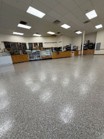
Kitchens run hot, wet, and messy basically every single hour they’re open. Commercial kitchen flooring Logan restaurants have started installing handles for grease, standing water, and constant foot traffic without buckling or turning into a slip hazard. It seals seamlessly too, with no grout lines for bacteria to hide in, which health inspectors actually care about a lot. Downtime during install stays short as well, and for a kitchen, every closed day is money walking straight out the back door.
Polished Concrete Fits More Than Just Kitchens
Not every space in a building needs the same industrial treatment a kitchen does. Dining rooms, hallways, retail floors—they usually want something a bit more polished, literally. That’s where polished concrete Syracuse business owners keep turning to, comes into play. It takes the existing slab and grinds it down into a smooth, reflective surface, looking clean without needing a heavy coating layered over top. Works well in lobbies and dining areas where appearance matters just as much as durability does.
Why Cutting Corners Backfires Fast
Cheap flooring always looks like the smart move early on. Give it half a year, though, and that budget tile starts cracking while the grout turns a shade nobody wants to look at, and suddenly it’s costing more than the good option would have. Commercial grade flooring costs more upfront, sure, but it stretches years longer under constant abuse, sometimes a full decade with basic maintenance. You end up calling for repair’s way less, and scrambling to fix things mid-shift becomes rare instead of routine. Spending more at the start ends up saving real money down the line, more often than not.
Matching the Floor to the Space
A kitchen and a dining room are doing completely different jobs, so naturally they need different floors. The back of house wants something tough, waterproof, and grease resistant; there are no exceptions there. The front of house can lean into something sleeker-looking since customers actually see it and walk on it. Plenty of restaurants run both types under one roof: industrial flooring where the cooking happens and polished concrete where guests are sitting. Matching the material to the actual use matters more than picking whatever looks trendiest.
Professional Installation Isn’t Optional Here
Kitchen and commercial flooring projects aren’t something a general contractor should wing over a weekend. Moisture testing, proper grinding, correct curing times—all of it needs real equipment and real experience most crews just don’t have on hand. Get it wrong and the floor bubbles, cracks, or fails a health inspection within months. A team that specializes in commercial installs knows how to schedule around operating hours too, keeping disruption to a minimum while the job gets finished right.
Conclusion
At the end of the day, a restaurant floor works just as hard as the kitchen staff standing on it, maybe harder given the hours. Whether it’s tough commercial kitchen flooring or a polished concrete finish out front, avid-epoxy.com has handled enough of these jobs to know exactly what holds up under real pressure. Getting it installed right the first time means fewer shutdowns later and a space that performs as well as it looks. Sometimes the smartest investment a restaurant makes really is the ground everyone’s standing on all day long.