
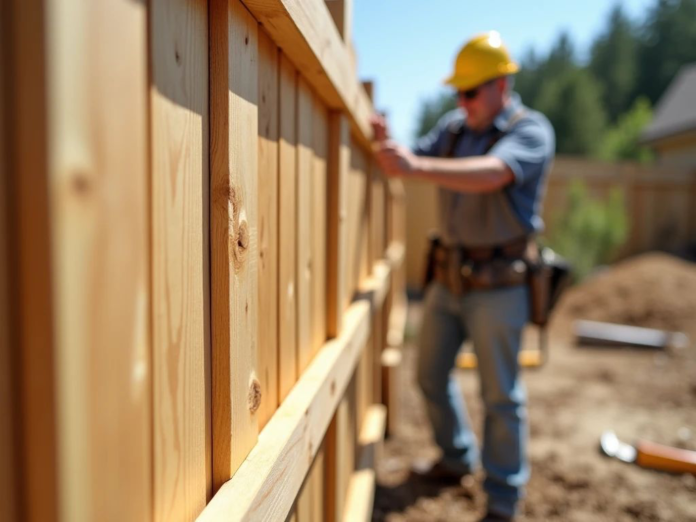
Fencing a home is more than just marking boundaries. It shapes the look of your property, ensures privacy, and adds value. A well-planned fence can protect your family, pets, and belongings while enhancing curb appeal. However, residential fence installation requires careful thought, from material selection to local regulations. Understanding these key considerations early can save time, money, and frustration.
Choosing the Right Materials for Residential Fence Installation
Materials define both the style and durability of a fence. Wood offers a classic, natural look but needs maintenance. Vinyl resists weathering and requires less upkeep, making it a popular choice. Metal fences, like aluminum or wrought iron, provide strength and elegance. Each material affects cost, lifespan, and aesthetic appeal differently. Considering your property’s environment and desired look is essential for a successful residential fence installation.
Understanding Property Lines and Local Regulations
Before installing any fence, knowing your property boundaries is crucial. Misplaced fences can lead to disputes with neighbors. Local regulations often dictate fence height, style, and setback requirements. Some areas require permits for residential fence installation, especially for taller or decorative fences. Taking time to research these rules ensures compliance and avoids potential fines. Proper planning here is the foundation for a smooth installation process.
Budget Planning for Residential Fence Installation Projects
Costs for fencing vary widely based on material, length, and design complexity. Labor, delivery, and permits also add to the total. Setting a realistic budget helps prevent surprises mid-project. It’s wise to get multiple quotes and consider long-term maintenance costs. Budgeting carefully ensures that residential fence installation remains a practical investment rather than a financial burden.
Landscaping and Fence Placement Considerations
The landscape can influence how and where a fence should go. Slopes, trees, and existing structures may require adjustments in design or placement. Proper drainage around a fence prevents water damage and decay. Involving your landscaper or using a surveyor can help achieve a harmonious setup. Thoughtful placement ensures your fence complements both the terrain and your outdoor living space, enhancing the overall impact of residential fence installation.
Security and Privacy Benefits of Residential Fence Installation
Fences are not just decorative—they offer security and privacy. A solid fence deters trespassers and keeps children and pets safe. Choosing the right height and style enhances privacy without making the property feel enclosed. Incorporating gates with secure locks or electronic access adds convenience and peace of mind. Understanding these benefits highlights why residential fence installation is a valuable component of home safety planning.
Maintenance Planning for Long-Term Fence Durability
A fence’s lifespan depends heavily on proper care. Wood requires periodic staining or sealing, while metal may need rust protection. Vinyl fences are low-maintenance but can suffer from cracking in extreme weather. Regular inspections for damage or wear ensure the fence remains both functional and attractive. Maintenance planning should be an integral part of residential fence installation, protecting your investment for years to come.
Conclusion
Residential fence installation is a multifaceted project that blends aesthetics, safety, and functionality. By carefully selecting materials, understanding property lines, budgeting wisely, considering landscaping, focusing on security, and planning for maintenance, homeowners can achieve a fence that adds lasting value. Thoughtful planning at every stage ensures the process is smooth and the final result is both beautiful and practical.