
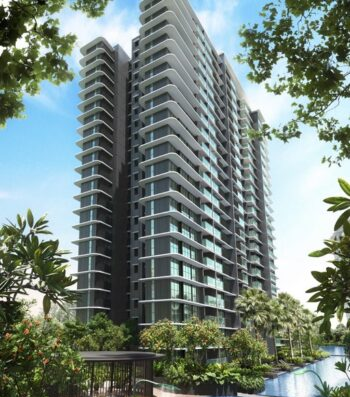
Choosing the right condominium in Singapore involves a careful balance of location, layout, amenities, and long‑term value. In this context, Lentor Gardens Residences emerges as a compelling option for those seeking modern urban living with strong connectivity and thoughtful design. Understanding the Lentor Gardens Residences Price in relation to the broader residential market, lifestyle expectations, and long‑term usability is essential for buyers who want both practical comfort and sustainable investment value. This article explores what makes this development distinct, how pricing reflects its qualities, and what prospective homeowners should consider when evaluating this project.
Strategic Location and Connectivity
One of the core determinants of residential value in Singapore is location, and Lentor Gardens Residences is strategically positioned in the city’s northern corridor. The development benefits from proximity to major transport links, including nearby MRT stations and major arterial roads, which facilitate efficient travel to key employment hubs, lifestyle precincts, and educational institutions. For daily commuters, ease of access can significantly reduce travel time and stress, enhancing the overall appeal of the home.
Connectivity is not merely about convenience; it influences how residents interact with the city. Quick access to business districts supports a flexible work‑life balance, while connectivity to retail and dining hubs expands lifestyle options without requiring long journeys. In a city where urban mobility is a high priority, the placement of this development aligns well with contemporary expectations for city‑fringe living.
Pricing in Context: How Lentor Gardens Residences Price Reflects Value
Understanding Lentor Gardens Residences Price requires looking beyond the raw cost figures to the value delivered by the development. Residential prices in Singapore are shaped by several factors, including land scarcity, infrastructure proximity, community planning, and anticipated growth in the surrounding precinct. A condominium’s price is not an isolated number—it reflects the interplay between these elements.
In the case of Lentor Gardens Residences, pricing corresponds to its strategic advantages: accessibility to public transport, thoughtful unit layouts, integrated amenities, and proximity to reputable schools and essential services. Buyers are increasingly evaluating price relative to usability—how well a unit’s interior supports daily routines, how communal facilities enhance lifestyle, and how the broader location contributes to convenience and long‑term desirability.
Moreover, city‑fringe developments often strike a balance between affordability and accessibility. While central districts command premium prices due to their proximity to business and lifestyle nodes, city‑fringe locations like this offer a compromise: strong connectivity with more livable space and often more flexible layouts, which appeals to both owner‑occupiers and long‑term residents.
Unit Layouts and Spatial Planning
Effective layout planning is a major factor in how buyers perceive value at Lentor Gardens Residences. Spacious common areas, logical room zoning, and efficient circulation pathways contribute to a home’s daily usability. Living and dining areas are typically designed to maximize natural light and create a sense of openness, while bedrooms are positioned to minimize noise intrusion. Flexible room configurations also allow residents to adapt spaces for study, work‑from‑home setups, or leisure, aligning with evolving lifestyle patterns.
Unit layouts that prioritize practicality and adaptability tend to age better in terms of resident satisfaction. Buyers increasingly emphasize how space functions in real life—whether storage areas are sufficient, how easily furniture fits within rooms, and whether circulation feels natural rather than cramped. These design considerations directly influence how price is justified in terms of livability rather than mere square footage.
Communal Facilities and Integrated Lifestyle
Pricing at contemporary developments also reflects the quality and functionality of shared amenities. Lentor Gardens Residences incorporates a range of communal facilities designed to support daily routines as well as leisure activities. Landscaped gardens, fitness zones, multipurpose spaces, and family‑oriented areas contribute to a holistic residential experience.
Communal amenities are no longer viewed as optional extras; they extend the usable living environment beyond individual units. Residents increasingly value spaces they can integrate into daily life—whether it’s a morning jog along landscaped paths, a workout in well‑equipped fitness zones, or social interaction in communal lounges. The seamless integration of these facilities enhances the perceived value of the property and strengthens the correlation between utility and price.
Proximity to Schools and Daily Conveniences
Another factor that shapes how buyers evaluate Lentor Gardens Residences Price is the development’s proximity to essential services, particularly schools and daily conveniences. Easy access to reputable educational institutions is a key consideration for families planning long‑term residence. In addition, nearby retail clusters, healthcare facilities, and community services reduce reliance on lengthy commutes for everyday needs, reinforcing the practicality of living in this precinct.
Convenience in access to daily necessities enhances livability and can influence pricing dynamics. Buyers often pay a premium for locations that reduce logistical friction in daily routines. In this respect, the development’s placement reflects an understanding of how integrated neighborhood infrastructure contributes to long‑term residential satisfaction.
Long‑Term Value and Adaptive Design
Condominium price evaluation also involves expectations about long‑term value retention and adaptability. Lentor Gardens Residences is designed with features that support evolving lifestyle needs. Flexible unit layouts, durable materials, and adaptable communal spaces help ensure that the property remains functional and desirable as household requirements change over time.
The ability for a home to adapt—whether to accommodate a growing family, work‑from‑home needs, or changing recreational habits—affects how buyers perceive value relative to price. Developments that anticipate these shifts and embed flexibility into the design often command stronger resident loyalty and sustained demand, which in turn supports stable pricing dynamics in the property market.
Balancing Practicality and Lifestyle Aspirations
Ultimately, evaluating Lentor Gardens Residences Price involves balancing practical considerations with lifestyle aspirations. Buyers today look for homes that not only fulfill basic residential needs but also support a comfortable and engaging way of life. Proximity to transport, quality of unit layouts, access to communal facilities, and neighborhood infrastructure all factor into this equation.
The decision to invest in a condominium is informed by how well the property meets these combined expectations. A development that successfully aligns location advantages, thoughtful design, and adaptable living spaces offers a compelling proposition for those seeking a sustainable, long‑term home in Singapore’s dynamic residential market.
Conclusion: Informed Decision‑Making for Singapore Condo Buyers
Lentor Gardens Residences offers a comprehensive residential environment that aligns with modern urban expectations. By evaluating the pricing in the context of accessibility, functionality, shared amenities, and neighborhood infrastructure, buyers can gain a clearer picture of the long‑term value proposition. Understanding how Lentor Gardens Residences Price reflects both immediate livability and future adaptability empowers homebuyers to make informed decisions that support their lifestyle goals and investment priorities.