
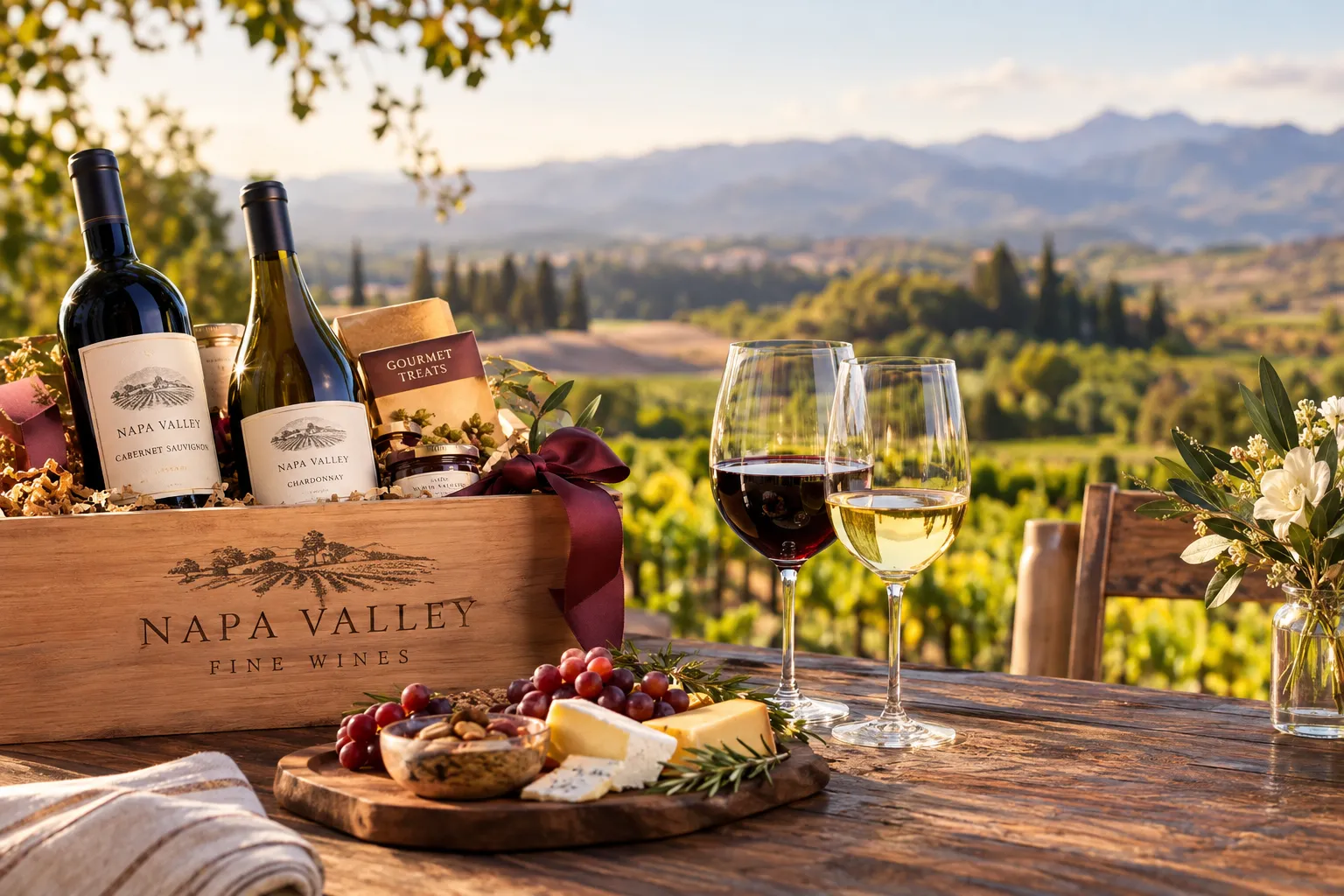
Napa Valley has earned an international reputation for producing exceptional wines, attracting everyone from curious beginners to experienced collectors. Located in California, this celebrated wine region is known for its Cabernet Sauvignon, elegant Chardonnay, and diverse selection of wines that reflect the character of their vineyards. Whether you’re planning a special dinner, building a collection, or choosing a gift for someone who appreciates wine, understanding the region’s offerings can make the experience more rewarding.
However, selecting a bottle involves more than recognizing a famous label. Vineyard location, grape variety, winemaking techniques, vintage conditions, and producer reputation can all influence quality and price. Knowing what these factors mean helps shoppers make informed choices without automatically assuming that the most expensive bottle is the best one.
From everyday discoveries to bottles reserved for meaningful celebrations, Napa Valley offers options for different preferences and budgets. With a little knowledge, it’s possible to find a wine that suits both the occasion and the person who will enjoy it.
What Makes Napa Valley Wines Special?
Napa Valley’s reputation comes from a combination of geography, climate, soil diversity, and winemaking traditions. Although the region is relatively compact, its different growing areas create distinctive conditions for cultivating grapes.
A Climate That Supports Diverse Wine Styles
Warm, sunny days help many grapes develop ripe fruit characteristics, while cooler evenings can preserve acidity and balance. The influence of the San Pablo Bay and surrounding hills varies across the valley, creating different growing conditions from one vineyard to another.
Cabernet Sauvignon is particularly associated with Napa Valley, but the region also produces Merlot, Pinot Noir in suitable cooler locations, Chardonnay, Sauvignon Blanc, and other varieties.
Distinctive Appellations and Vineyards
Napa Valley contains several American Viticultural Areas, or AVAs, each with its own geographical identity. Oakville, Rutherford, Stags Leap District, and Howell Mountain are among the recognized areas that wine enthusiasts may encounter on bottle labels.
These distinctions can help explain why two wines made from the same grape variety may have different styles and prices. However, an appellation alone does not guarantee that one bottle will be better than another. Producer decisions, vineyard management, vintage conditions, and personal preference all matter.
Understanding Napa Valley Wine Prices
One of the first questions shoppers ask is how much they should expect to spend on a Napa Valley bottle. There is no single price that represents the entire region. Bottles can range from relatively accessible selections to premium releases that command significantly higher prices.
When researching Napa Valley wine prices, consider the following factors rather than relying on the label or price tag alone.
1. Grape Variety and Production Costs
Cabernet Sauvignon often occupies the premium end of Napa Valley’s wine market, particularly when it comes from established vineyards or respected producers. The variety has a strong regional identity, and some wines are aged in oak barrels before release.
Chardonnay and Sauvignon Blanc can offer alternatives for shoppers who prefer white wine. Their prices also vary according to the producer, vineyard, production methods, and positioning of the wine.
The grape variety is a useful starting point, but it should not be the only factor in a purchasing decision.
2. Vineyard Location and Reputation
Land in sought-after vineyard areas can be expensive to acquire and maintain. Producers working with highly regarded sites may face substantial growing and production costs, which can influence retail prices.
Established winery names can also affect what consumers are willing to pay. A bottle from a prestigious producer may carry a higher price because of demand, reputation, limited production, or a combination of these factors.
Still, lesser-known producers can make excellent wines. Exploring beyond familiar labels may reveal bottles that offer satisfying quality at more accessible prices.
3. Vintage and Weather Conditions
A vintage refers to the year the grapes were harvested. Weather conditions during the growing season can influence grape development, crop size, and the resulting wine.
Some vintages attract particular attention from collectors, especially when wines have strong aging potential or limited availability. However, vintage quality is not identical across every vineyard or producer.
For wines intended to be enjoyed soon, choosing a well-made bottle that matches your taste may be more important than seeking a highly publicized vintage.
4. Aging, Packaging, and Availability
Oak aging, cellar storage, specialized packaging, and small production runs can contribute to a wine’s overall cost. Wines released in limited quantities may also become more expensive when demand exceeds supply.
For collectors, provenance and proper storage are especially important when evaluating older bottles. For casual drinkers and gift buyers, a reliable retailer, clear product information, and suitable delivery arrangements may be more useful considerations.
How to Choose a Napa Valley Wine for Your Budget
A thoughtful purchase begins with the occasion and the recipient’s preferences, not simply the highest price you can afford.
For Casual Dinners and Everyday Enjoyment
For a relaxed meal, look for wines that complement the food and suit the people sharing it. A versatile Cabernet Sauvignon may work well with grilled dishes, while Chardonnay can be a good choice for roasted chicken, seafood, or creamy pasta.
You don’t need a collector-level bottle for an ordinary dinner. Instead, focus on the producer’s reputation, the wine’s style, and whether it matches the meal.
For Birthdays and Special Celebrations
Celebrations often call for a bottle with a little extra significance. A well-presented Napa Valley Cabernet Sauvignon can make a thoughtful choice for someone who enjoys full-bodied red wines.
If the recipient prefers white wine, a quality Chardonnay may be equally appropriate. Consider pairing the bottle with suitable glassware, gourmet treats, or an attractive gift box to make the presentation more personal.
For Collectors and Wine Enthusiasts
Collectors may pay closer attention to vintage variation, vineyard designation, aging potential, and the producer’s history. Before purchasing an expensive bottle, research its provenance, storage conditions, and current market availability.
If the recipient is an experienced enthusiast, finding out which producers or vintages they enjoy can be more valuable than choosing a bottle based solely on price.
Turning Napa Valley Wine Into a Thoughtful Gift
Wine can be a meaningful present because it brings people together and creates an opportunity to celebrate shared experiences. The most successful wine gifts reflect the recipient’s tastes and the relationship between the giver and receiver.
For example, a bottle selected for a housewarming might accompany a simple gourmet assortment, while a milestone birthday could call for a more elaborate presentation.
Choose the Wine According to the Recipient
Before buying, consider a few practical questions:
- Do they prefer red or white wine? Start with a grape variety or style they already enjoy.
- Are they a casual drinker or a collector? A distinctive bottle may appeal to an enthusiast, while an approachable selection can suit someone who enjoys occasional wine with meals.
- What is the occasion? Birthdays, anniversaries, corporate milestones, and holiday gatherings may call for different presentation styles.
- Will the wine be consumed soon or saved? Choose a bottle for its intended use rather than assuming every expensive wine should be aged.
If you don’t know the recipient’s exact preferences, a thoughtfully assembled gift with complementary gourmet items can offer a flexible and attractive option.
Consider Presentation and Convenience
Packaging can transform a bottle into a complete gift. Wooden presentation boxes, elegant gift baskets, gourmet chocolates, and carefully selected accessories can add a personal touch without requiring an elaborate arrangement.
For shoppers comparing curated options, wine and champagne gift baskets provide one way to explore bottle-and-gift combinations for different occasions. The key is to check the specific contents and select a combination that suits the recipient.
Delivery is another important consideration, particularly when sending a gift to someone in another city or state. Confirm the destination’s delivery availability, estimated arrival date, packaging details, and any adult-signature requirements before placing an order.
Where to Find Napa Valley Wine Gift Options
Shopping for wine gifts online can make it easier to compare presentation styles, bottle selections, and price points in one place. However, not every gift basket contains the same wine, and a regional name in a product description should not be taken as proof that the basket includes a Napa Valley bottle.
When browsing, review the product description carefully and look for the following details:
- The exact wine producer, variety, and vintage, when applicable.
- Bottle size and the number of bottles included.
- Gourmet items, accessories, and packaging included in the set.
- Shipping costs, destination restrictions, and estimated delivery dates.
- Any applicable age-verification and adult-signature requirements.
If you specifically want to order Napa Valley wine gift baskets online, verify that the selected basket actually includes wine from Napa Valley. Some retailers offer regional selections, while others organize their gifts by occasion, wine style, or presentation.
A little comparison before checkout can prevent misunderstandings and help ensure the recipient receives something appropriate.
Food Pairings That Bring Out Napa Valley Wine’s Character
The right food pairing can make a bottle feel even more special. You don’t need complicated recipes or expensive ingredients to create a satisfying combination.
Cabernet Sauvignon With Hearty Dishes
Napa Valley Cabernet Sauvignon often pairs well with grilled steak, roast beef, lamb, and mushroom-based dishes. Its structure and tannins can complement rich foods, while savory ingredients create a balanced dining experience.
For a vegetarian option, try roasted mushrooms or a lentil dish with herbs and earthy seasonings.
Chardonnay With Poultry and Seafood
Chardonnay varies considerably in style. Some examples are rich and oak-influenced, while others are lighter and more restrained.
A fuller-bodied Chardonnay can complement roasted chicken, creamy pasta, or dishes with buttery sauces. A fresher style may work well with grilled fish or simply prepared seafood.
Sauvignon Blanc With Fresh, Lighter Meals
Sauvignon Blanc can be a useful choice for salads, fresh herbs, goat cheese, and lighter seafood dishes. The best pairing depends on the wine’s acidity, body, and overall style.
Ultimately, personal preference matters. A pairing should make the meal more enjoyable rather than follow a rigid set of rules.
Frequently Asked Questions
Are Napa Valley wines always expensive?
No. Although the region is known for prestigious and collectible bottles, prices vary by producer, grape variety, vintage, and availability. Comparing several producers can help you find an option that fits your budget.
Which Napa Valley wine is best for gifting?
Cabernet Sauvignon is a recognizable choice for people who enjoy structured red wines. Chardonnay may be more suitable for someone who prefers white wine. The best choice depends on the recipient’s taste and the occasion.
Does a higher wine price guarantee better quality?
No. Price can reflect reputation, vineyard costs, production methods, demand, and scarcity, but it does not guarantee that a particular wine will suit your preferences. Reading reliable product information and exploring different producers can lead to more satisfying purchases.
Can I send Napa Valley wine as a gift to another state?
Possibly, but alcohol shipping laws and retailer policies vary by destination. Check whether the seller delivers to the recipient’s address and whether adult-signature or other delivery requirements apply.
What should I check before buying a wine gift basket?
Confirm the exact bottle or bottles included, the wine’s origin, the additional gift items, the total cost, and the delivery terms. If Napa Valley origin is important, verify it in the product details rather than relying on the general theme of the basket.
Conclusion
Choosing a Napa Valley wine becomes easier when you understand what influences its price and how different styles suit different occasions. Vineyard reputation, grape variety, vintage conditions, production methods, and availability all contribute to the final cost, but the most expensive bottle is not necessarily the right one for every drinker.
Whether you’re selecting a bottle for dinner, searching for a distinctive present, or assembling a gift for a milestone celebration, begin with the recipient’s preferences and your budget. Pay attention to the wine’s origin, compare product details, and consider presentation and delivery alongside the bottle itself.
With a little research, Napa Valley wines can offer a rewarding way to celebrate special moments, share a meal, and give a thoughtful gift that feels personal rather than predictable.