
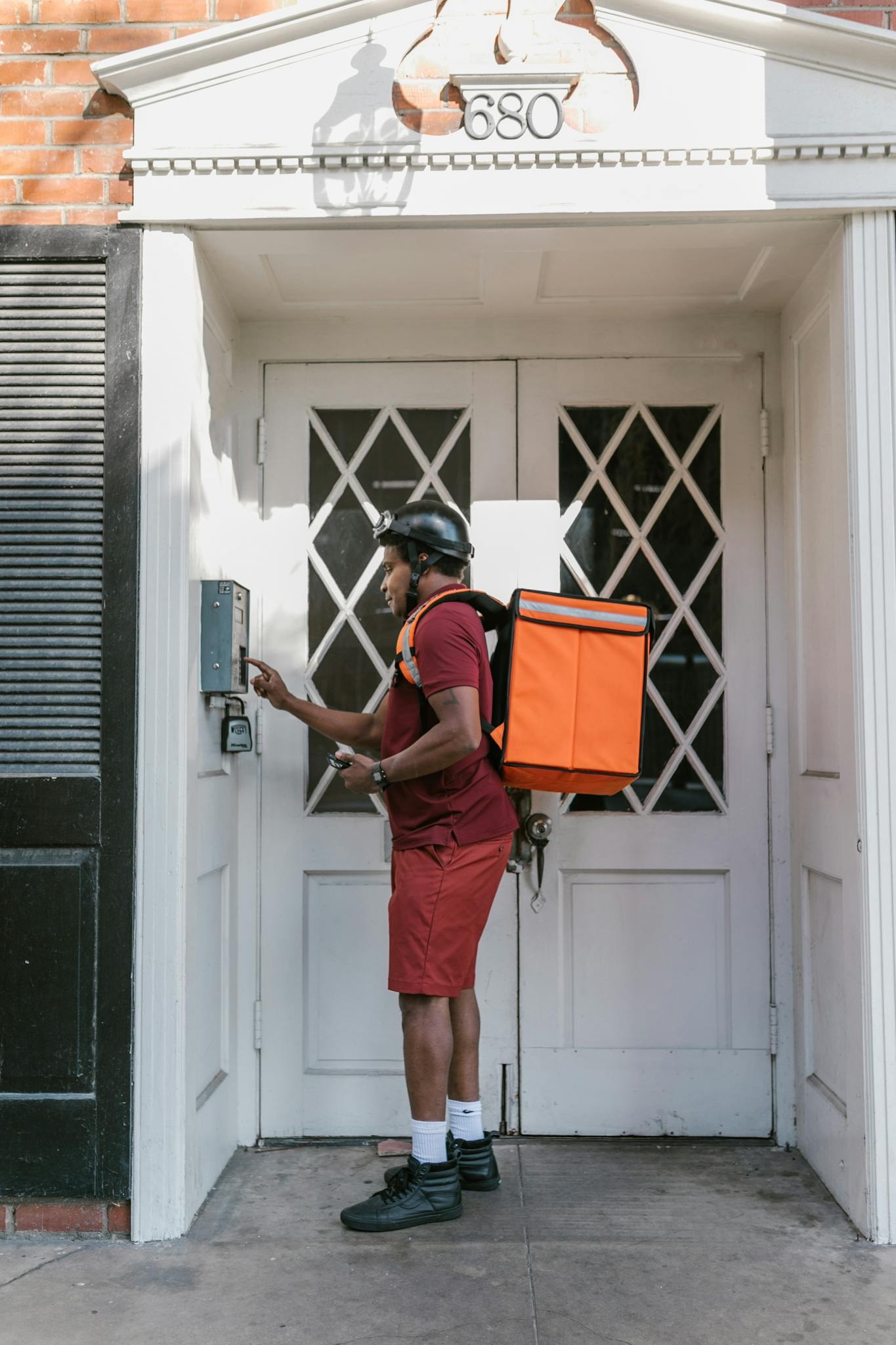
Courier tracking gives customers a simple way to follow parcels during transportation. tirupaticouriertracking.com offers useful information for readers checking shipment updates and trying to understand delivery progress. A courier journey can involve several stages before a package reaches the recipient. The parcel may move from the sender to a collection point, then toward a sorting facility, transportation hub, destination center, and finally the delivery route. Tracking updates can provide small pieces of information about these stages. Still, those updates do not always appear at the exact moment something happens physically. Understanding that difference can make tracking less confusing and reduce unnecessary concern about normal processing gaps.
Check Tracking Before Calling
Customers often contact courier support before checking the latest available tracking information. A quick review can sometimes answer the question without requiring another enquiry. The tracking page may show that the parcel recently reached a nearby facility or entered a delivery route. It may also provide information about a failed delivery attempt or address issue. Checking the latest update first gives customers a clearer idea about what happened recently. The tracking number should also be compared with the original booking information before drawing conclusions. Small typing mistakes can produce no results or completely different shipment information. Taking a minute to verify everything can prevent unnecessary communication and repeated searches.
Understand Different Shipment Stages
A parcel normally passes through several stages before reaching its final destination. The first update may show that shipment information was created or the parcel was accepted. Later records can indicate collection, sorting, transportation, arrival at another facility, or preparation for local delivery. These stages do not always happen at equal speeds because different routes have different operational conditions. A shipment can remain at one facility for some time before another scan appears. Customers should therefore avoid expecting identical update intervals throughout the entire journey. Understanding the general sequence makes tracking messages easier to interpret when the parcel appears to remain unchanged temporarily.
Watch The Latest Update
The most recent tracking event usually provides more useful information than older messages displayed below it. Customers sometimes become concerned after reading an earlier status without noticing that another update appeared later. Checking the date and time attached to each event can provide additional context. A parcel marked as moving through a facility yesterday may already have reached another location today. Tracking pages can contain several records that look similar, especially when shipments pass through multiple sorting points. Looking at the newest event first helps customers understand the current situation more quickly. Older updates still provide useful history, but they should not automatically be treated as the present shipment location.
Allow Reasonable Processing Time
Tracking information can take some time to appear after a shipment is booked or collected. The courier may need to process the parcel before the first visible scan becomes available online. A package collected late in the day may receive another update during later sorting operations. Customers should therefore avoid assuming that missing information means the parcel has disappeared. Waiting for a reasonable processing period can often resolve the issue without additional action. If several expected processing hours or days pass without any meaningful information, then contacting the sender or courier becomes more sensible. The booking date should be mentioned during such communication because it provides useful context.
Handle Delivery Delays Calmly
Delivery delays can happen because of weather, traffic, transportation issues, high shipment volumes, or operational changes. An estimated arrival date generally provides useful guidance but may not represent a guaranteed delivery time. Customers should compare the expected date with the latest tracking event before assuming something serious has happened. A short delay may resolve naturally as the shipment continues through the network. Longer delays deserve closer attention, particularly when the tracking status remains unchanged for an unusual period. When contacting support, customers should provide the shipment number and explain how long the parcel has remained without meaningful progress. Clear details can make the enquiry easier to investigate.
Check Failed Delivery Messages
A failed delivery attempt can happen for reasons that have nothing to do with the parcel being lost. The recipient might have been unavailable, the address could have been difficult to locate, or access to the property may have been restricted. Sometimes a courier worker may also be unable to complete delivery because of local circumstances. Customers should read the recorded explanation before requesting another attempt. If the address or contact number is incorrect, correcting that information may help prevent another failed attempt. Some courier services may offer another delivery attempt or a collection option depending on shipment conditions. Customers should confirm those options directly instead of assuming every courier uses identical procedures.
Keep Shipment Records Handy
Saving basic shipment information can make future tracking questions much easier to handle. Customers should keep booking receipts, tracking references, sender information, payment confirmations, and important support messages together. This becomes particularly useful when several parcels are being delivered around the same time. Businesses can maintain simple records that connect customer orders with shipment references and delivery updates. Organized records also help when a courier asks for information that was provided during the original booking. Searching through old messages can become frustrating when the tracking number is difficult to locate. A basic record saves time and provides useful evidence when a shipment requires further investigation.
Use Official Help Channels
Tracking information found through unofficial websites should not automatically be treated as accurate. Customers can encounter pages that display outdated information or request unnecessary personal details. Official courier tracking systems and verified support channels are generally more suitable for checking shipment problems. If a message asks for an unexpected payment before delivery, customers should verify the request independently before providing any money. Passwords, banking information, and unnecessary identity documents should not be shared with unknown contacts. Customers should also avoid publishing complete tracking references alongside personal addresses on public websites. A little caution can protect both shipment information and personal privacy during delivery problems.
Conclusion
Courier tracking becomes much easier when customers understand shipment stages and allow reasonable time for normal processing. Checking the latest update, reading delivery messages carefully, and keeping booking information available can reduce unnecessary confusion. Delays and failed delivery attempts do not automatically mean that a parcel has been lost or permanently stopped. Customers should consider the available tracking history before contacting support and provide clear details when assistance becomes necessary. Official tracking and communication channels also provide safer ways to handle unexpected shipment questions. tirupaticouriertracking.com can provide additional courier tracking information for readers who want practical guidance while following parcels and understanding common delivery situations.
Read also :-