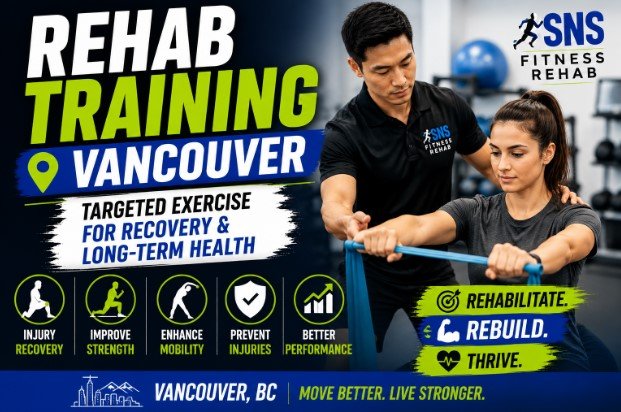
Recovering from an injury involves more than simply resting. Whether you’re healing from a sports injury, surgery, a workplace accident, or chronic pain, rehab training in Vancouver focuses on restoring strength, mobility, and function through structured, evidence-based exercise programs. By addressing the underlying causes of movement limitations, rehab training helps individuals return to their daily activities safely and confidently.
Working with qualified rehabilitation professionals ensures that each exercise program is tailored to your condition, goals, and stage of recovery.
What Is Rehab Training?
Rehab training is a personalized exercise program designed to improve physical function after injury, illness, or surgery. Unlike general fitness programs, rehabilitation training focuses on restoring movement, rebuilding strength, and correcting muscle imbalances while reducing the risk of reinjury.
A comprehensive rehab training program may include:
- Functional strength exercises
- Mobility and flexibility training
- Balance and coordination exercises
- Core stabilization
- Postural correction
- Range of motion exercises
- Progressive resistance training
- Movement retraining
Programs are continually adjusted as your recovery progresses.
Who Can Benefit from Rehab Training?
Rehabilitation training can support people of all ages and activity levels, including those recovering from:
- Sports injuries
- Orthopedic surgery
- Workplace injuries
- Motor vehicle accidents
- Back and neck pain
- Shoulder injuries
- Knee and hip conditions
- Tendon and ligament injuries
- Chronic musculoskeletal pain
It is also beneficial for individuals seeking to improve mobility, prevent future injuries, or safely return to physical activity.
Benefits of Rehab Training
Restore Strength and Function
After an injury, muscles often become weaker due to reduced activity. Targeted strengthening exercises help rebuild muscle function and improve overall movement.
Improve Mobility
Rehabilitation programs include flexibility and mobility exercises that help restore normal joint movement and reduce stiffness.
Reduce Pain
Exercise therapy can improve joint stability, muscle support, and movement mechanics, which may help reduce pain associated with many musculoskeletal conditions.
Prevent Future Injuries
Correcting movement patterns, improving balance, and strengthening key muscle groups can lower the likelihood of recurring injuries.
Support a Safe Return to Activity
Whether your goal is returning to work, recreational activities, or competitive sports, rehab training provides a gradual and structured progression based on your recovery.
What Happens During a Rehab Training Assessment?
Your first appointment typically includes a detailed evaluation of your physical condition.
The assessment may involve:
- Health and injury history
- Functional movement screening
- Postural assessment
- Strength testing
- Flexibility and mobility evaluation
- Balance and coordination assessment
- Goal setting
Using this information, your rehabilitation professional creates a personalized treatment plan designed to address your specific needs.
What Does a Typical Rehab Program Include?
While every program is individualized, many rehabilitation plans include:
Strength Training
Exercises targeting weakened muscles to restore stability and function.
Mobility Exercises
Gentle stretches and movement drills to improve joint flexibility and reduce stiffness.
Core Stability
Strengthening the muscles that support the spine and pelvis to improve posture and overall movement.
Functional Training
Exercises that mimic everyday movements, helping you safely return to daily tasks, work, or sports.
Progress Monitoring
Regular reassessments ensure your program evolves as your strength, mobility, and confidence improve.
Tips for a Successful Recovery
To get the most from rehab training:
- Attend scheduled sessions consistently.
- Complete prescribed home exercises.
- Follow your therapist’s recommendations.
- Increase activity gradually.
- Maintain healthy sleep, nutrition, and hydration habits.
- Communicate any changes in symptoms promptly.
Consistency is one of the most important factors in achieving lasting results.
Frequently Asked Questions
How is rehab training different from regular exercise?
Rehab training is specifically designed to restore function after injury or surgery. It focuses on therapeutic exercises tailored to your condition rather than general fitness goals.
Do I need a sports injury to benefit from rehab training?
No. Rehab training can help individuals recovering from surgery, workplace injuries, motor vehicle accidents, chronic pain, and many other musculoskeletal conditions.
How long does rehabilitation take?
Recovery timelines vary depending on the injury, overall health, and treatment goals. Your rehabilitation professional will monitor your progress and adjust your program as needed.
Can rehab training help prevent future injuries?
Yes. Strengthening weak muscles, improving mobility, and correcting movement patterns can reduce the risk of future injuries while enhancing overall physical function.
Conclusion
Rehab training in Vancouver provides a structured, personalized approach to injury recovery and long-term physical health. Through targeted exercise, movement education, and progressive rehabilitation, individuals can improve strength, restore mobility, reduce pain, and safely return to the activities they enjoy. Whether you’re recovering from an injury or looking to build a stronger foundation for future movement, a customized rehabilitation program can support lasting results and a healthier, more active lifestyle.