What Massage Is Best for Sore Muscles? Recovery & Relief Guide
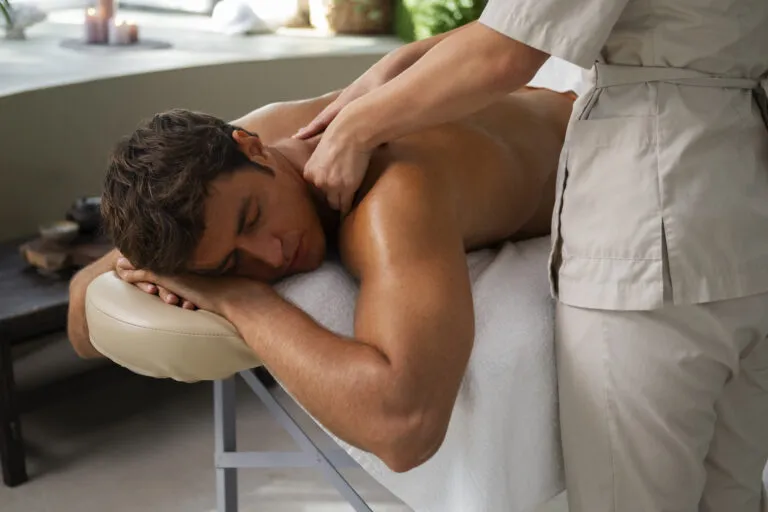
Sore muscles recover best with targeted massage techniques that reduce tension, improve circulation, and speed healing. The right choice depends on your pain level, activity, and recovery goals.
If you’re dealing with post-workout soreness or daily body aches, choosing the best massage for sore muscles can make a huge difference. The right therapy not only eases discomfort but also helps your body heal faster and feel stronger.
Let’s break down the most effective options and how to choose what works for you.
Why Do Muscles Get Sore in the First Place?
Muscle soreness often happens after physical activity, stress, or long hours of sitting. It usually comes from tiny muscle fiber damage, also known as delayed onset muscle soreness (DOMS).
This can lead to:
- Stiffness and tightness
- Reduced flexibility
- Tenderness when touched
- Mild swelling
Massage helps by increasing blood flow and loosening tight areas, which speeds up recovery and reduces discomfort.
Which Massage Type Works Best for Sore Muscles?
When it comes to choosing the best massage for sore muscles, not all techniques are the same. Each style targets soreness differently.
If you’re looking for effective relief, exploring deep tissue massage in NYC can be a great starting point, especially for chronic tension.
Here are some top options:
Deep Tissue Massage
- Targets deeper layers of muscle
- Breaks down knots and adhesions
- Ideal for chronic pain and stiffness
Swedish Massage
- Uses gentle, flowing strokes
- Improves circulation
- Best for mild soreness and relaxation
Trigger Point Therapy
- Focuses on tight muscle knots
- Relieves pain in specific areas
- Great for localized discomfort
Hot Stone Massage
- Uses heat to relax muscles
- Improves blood flow
- Helps with stiffness and stress
How Does Massage Help Muscle Recovery?
Massage does more than just feel good. It actively supports your body’s healing process.
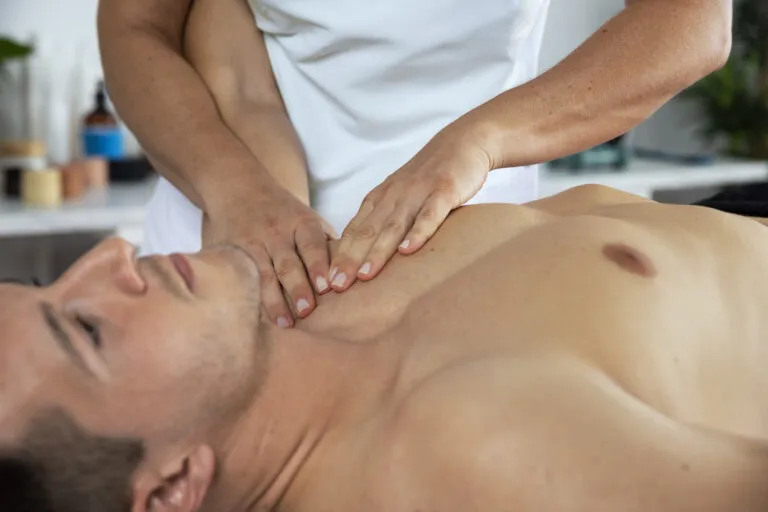
Here’s how it helps:
Improves Blood Flow: Massage increases circulation, delivering oxygen and nutrients to damaged tissues, helping muscles heal faster naturally.
Reduces Inflammation: It helps lower swelling and inflammation by improving lymphatic drainage and reducing fluid buildup in sore muscles.
Enhances Flexibility: Regular massage loosens tight muscles, improving flexibility and increasing overall range of motion in joints effectively.
Removes Toxins: Massage stimulates the lymphatic system, helping flush out toxins and metabolic waste accumulated in overworked muscles.
Many people choose massage for muscle recovery because it speeds up healing after workouts or injuries without medication.
When Should You Get a Massage for Sore Muscles?
Timing matters when it comes to getting the most benefits.
You can consider a massage:
- After Intense Exercise
Wait 24–48 hours after intense exercise to let inflammation settle before getting a massage. - When Muscles Feel Tight
Get a massage when muscles feel tight or stiff to improve flexibility and reduce discomfort. - During Injury Recovery
Massage during minor injury recovery helps improve circulation, reduce stiffness, and support a faster healing process. - After Long Workdays
After long workdays or physical strain, a massage relaxes muscles, reduces fatigue, and restores overall body balance.
Avoid getting a massage immediately after a severe injury or when inflammation is very high.
What Is the Difference Between Light and Deep Pressure?
Choosing the right pressure level is important for effective results.
Light Pressure
- Best for relaxation
- Suitable for sensitive muscles
- Improves circulation gently
Firm to Deep Pressure
- Targets deeper muscle layers
- Helps release chronic tension
- More effective for stubborn soreness
A deep tissue massage is often recommended when muscles feel tight and overworked, but it should always match your comfort level.
Can Athletes Benefit More from Specialized Massage?
Yes, athletes and active individuals often need more targeted therapy.
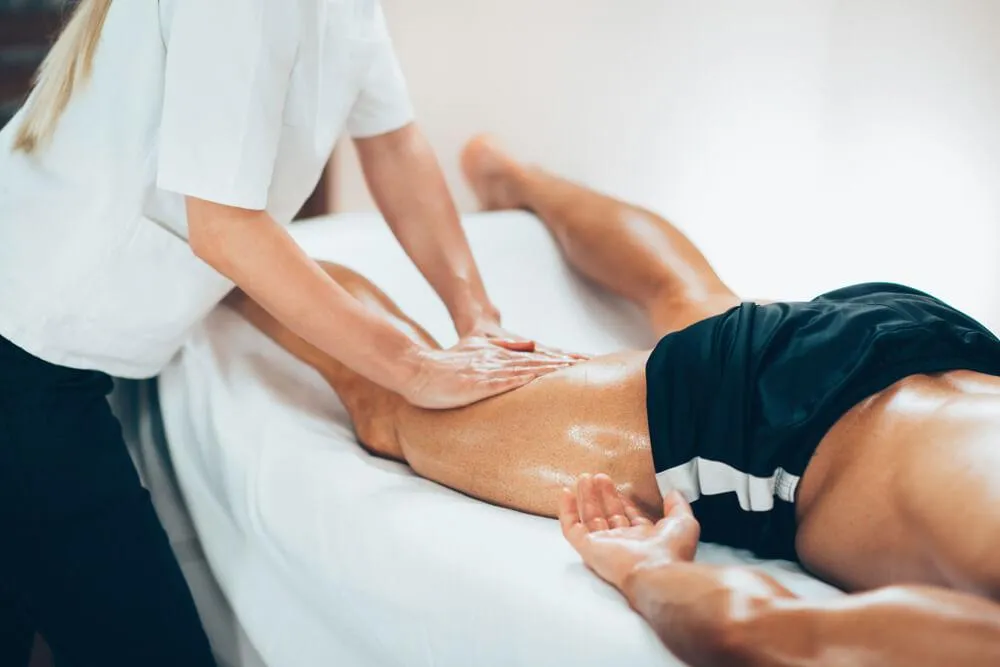
That’s where sports massage therapy comes in. It is designed to:
- Improve athletic performance
- Prevent injuries
- Speed up recovery after training
This type of massage focuses on specific muscle groups used during physical activity, making it highly effective for regular gym-goers and athletes.
What Should You Expect During a Massage Session?
If it’s your first time, knowing what to expect can help you feel more comfortable.
During a session:
- Your therapist will ask about your pain areas
- Pressure will be adjusted to your comfort level
- Oils or lotions may be used
- You may feel slight discomfort in tight areas
After the session, you’ll likely feel relaxed, lighter, and less stiff.
How Can You Maximize the Benefits of Your Massage?
To get the most out of your session, follow these simple tips:
Stay Hydrated: Drink plenty of water after your massage to flush toxins and support faster muscle recovery.
Skip Intense Workouts: Avoid heavy workouts immediately after a massage to prevent strain and allow muscles proper recovery time.
Gentle Stretching: Stretch gently after a massage to maintain flexibility, reduce stiffness, and support overall muscle relaxation benefits.
Open Communication: Communicate openly with your therapist about pain levels, preferences, and comfort to get the best results.
Consistency also matters. Regular sessions can prevent soreness from building up over time.
Is Massage Better Than Other Recovery Methods?
Massage works best when combined with other recovery strategies.
You can pair it with:
- Proper hydration: Drinking enough water helps flush toxins, improves circulation, and supports faster muscle recovery after massage sessions.
- Balanced nutrition: Nutritious foods provide essential vitamins and proteins that repair muscle tissue and boost overall recovery speed.
- Stretching routines: Regular stretching keeps muscles flexible, reduces stiffness, and enhances the long-term benefits of massage therapy sessions.
- Rest and sleep: Quality sleep allows muscles to repair, reduces fatigue, and improves the body’s natural healing process effectively.
While massage alone is powerful, a holistic approach gives the best long-term results.
How Do You Choose the Right Massage for Your Needs?
The best option depends on your lifestyle and pain level.
Ask yourself:
- Is the soreness mild or intense?
- Is it localized or spread across the body?
- Do you need relaxation or deep relief?
If your pain is deep and persistent, a stronger technique may work better. For general stress and light soreness, a gentler massage may be enough.
Ready to Feel Better and Move Freely Again?
Finding the right massage can transform how your body feels and performs. Whether you’re recovering from workouts or dealing with daily tension, the right approach makes all the difference.
At Mali Healing Spa NYC, our expert therapists tailor each session to your needs, helping you achieve real muscle pain relief and long-lasting comfort. If you’re searching for the best massage for sore muscles, the right treatment is just one session away.
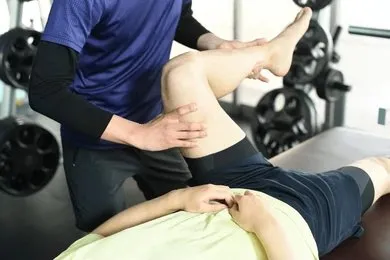
Key Takeaways:
- Muscle soreness is caused by stress, activity, or minor muscle damage
- Different massage types target different levels of pain
- Deep pressure works best for chronic tension
- Massage improves circulation and speeds recovery
- Regular sessions help prevent future soreness
FAQs:
1. What type of massage is best for sore muscles?
Deep tissue and sports massages are most effective for relieving muscle tension and stiffness.
2. How often should I get a massage for muscle soreness?
Once a week or biweekly sessions work well, depending on your activity level and pain.
3. Is massage safe for very sore muscles?
Yes, but pressure should be adjusted. Avoid deep pressure if muscles are highly inflamed.
4. Can massage reduce muscle stiffness quickly?
Yes, massage improves blood flow and relaxes muscles, often providing immediate relief.
5. Should I rest after a massage session?
Yes, light activity is fine, but avoid intense workouts right after your massage.